
How to Compare Human Intelligence and AI in Language Services
Introduction: AI Is Everywhere—But Is It Enough?
AI tools are everywhere right now. From instant translations in your browser to voice apps that claim to interpret conversations in real time, it’s easy to wonder whether human translators and interpreters are still necessary.
The short answer? Yes—very much so.
If you’re looking for translation services in Indianapolis, searching for “interpreter services near me”, or evaluating a professional language services company, it’s important to understand where AI helps, where it falls short, and why human intelligence still plays a critical role in real-world communication.
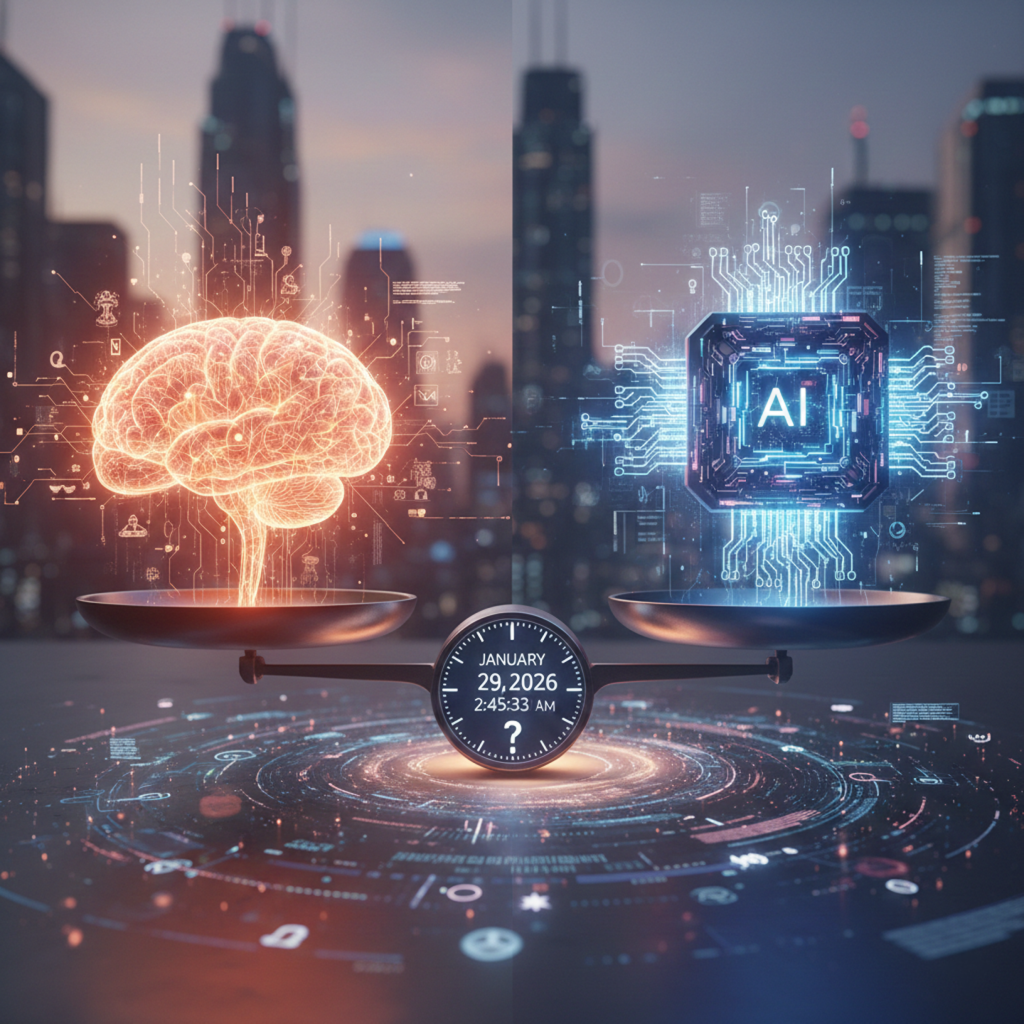
Human Intelligence vs. AI: What’s the Real Difference?
1. Understanding Meaning, Not Just Words
Human Intelligence
Professional translators and interpreters don’t just convert words from one language to another—they interpret meaning. They understand tone, intent, regional expressions, and when a literal translation simply won’t work. This is especially important in legal, medical, and customer-facing situations.
AI Tools
AI works by predicting patterns based on existing data. While that can be useful for basic text, it often misses nuance. Idioms, slang, and industry-specific language can easily be mistranslated, sometimes without anyone noticing until it’s too late.
Bottom line: Humans understand meaning; AI predicts text.
2. Cultural Awareness and Sensitivity
Human Intelligence
Language is deeply connected to culture. Human interpreters understand social norms, formality levels, and cultural sensitivities. This matters a great deal when using services like a Spanish interpreter phone service for healthcare, legal, or community conversations.
AI Tools
AI doesn’t understand culture—it only processes language patterns. This can result in translations that are technically correct but culturally awkward or even offensive.
Bottom line: Cultural awareness is human territory.
3. Speed vs Reliability
Human Intelligence
Humans may take longer than AI for large documents, but professional agencies offering interpreting services often provide on-demand phone or video interpreters within seconds—without sacrificing accuracy.
AI Tools
AI is fast. There’s no denying that. For a quick, informal understanding, it can be helpful. But speed alone doesn’t guarantee clarity or correctness.
Bottom line: AI is fast; humans are reliable.
4. Confidentiality and Accountability
Human Intelligence
A reputable language services company follows strict confidentiality standards and complies with regulations such as HIPAA and legal privacy requirements.
AI Tools
Many AI platforms store or process data externally. For sensitive information, this can create serious privacy and compliance risks.
Bottom line: When confidentiality matters, human services are the safer choice.
When AI Makes Sense—and When It Doesn’t
AI can be useful for:
Internal drafts
Getting the general idea of foreign-language content
Low-risk, non-sensitive materials
Human intelligence is essential for:
Medical and legal interpreting
Court or certified translations
Business negotiations
Government and immigration services
Customer-facing communication
Common Mistakes Businesses Make with AI Translation
Assuming AI output is accurate enough for professional use
Using AI for live interpreting situations
Overlooking cultural differences
Ignoring data privacy concerns
Choosing short-term savings over long-term trust
Many organizations only realize these issues after problems arise—then turn to professional translation services in Spanish or experienced interpreters to fix them.
Frequently Asked Questions
Can AI replace human translators and interpreters?
No. AI can support language work, but it cannot replace human judgment, cultural understanding, or accountability.
What’s the best option for Spanish interpreting?
For real-time conversations, a professional Spanish interpreter phone service or video interpreter offers accuracy, confidentiality, and cultural understanding.
Are human translation services still worth the investment?
Absolutely. Human intelligence reduces risk, improves communication quality, and protects your organization’s reputation.
Final Thoughts: Technology Is a Tool—Not a Replacement
AI has changed the language industry, but it hasn’t replaced the need for human expertise. When accuracy, trust, and cultural understanding matter, professional interpreters and translators remain essential.
If you’re searching for interpreter services near me or dependable translation services in Indianapolis, working with experienced human linguists—supported by the right technology—offers the best results.
At Midwest Language Services, we combine skilled human professionals with modern delivery tools to provide accurate, confidential, and culturally appropriate communication.
Need reliable interpreting or translation services? Contact us today to learn how we can support your organization.
