
How to Get Medical Interpreter Certification in Indiana: A Complete Guide
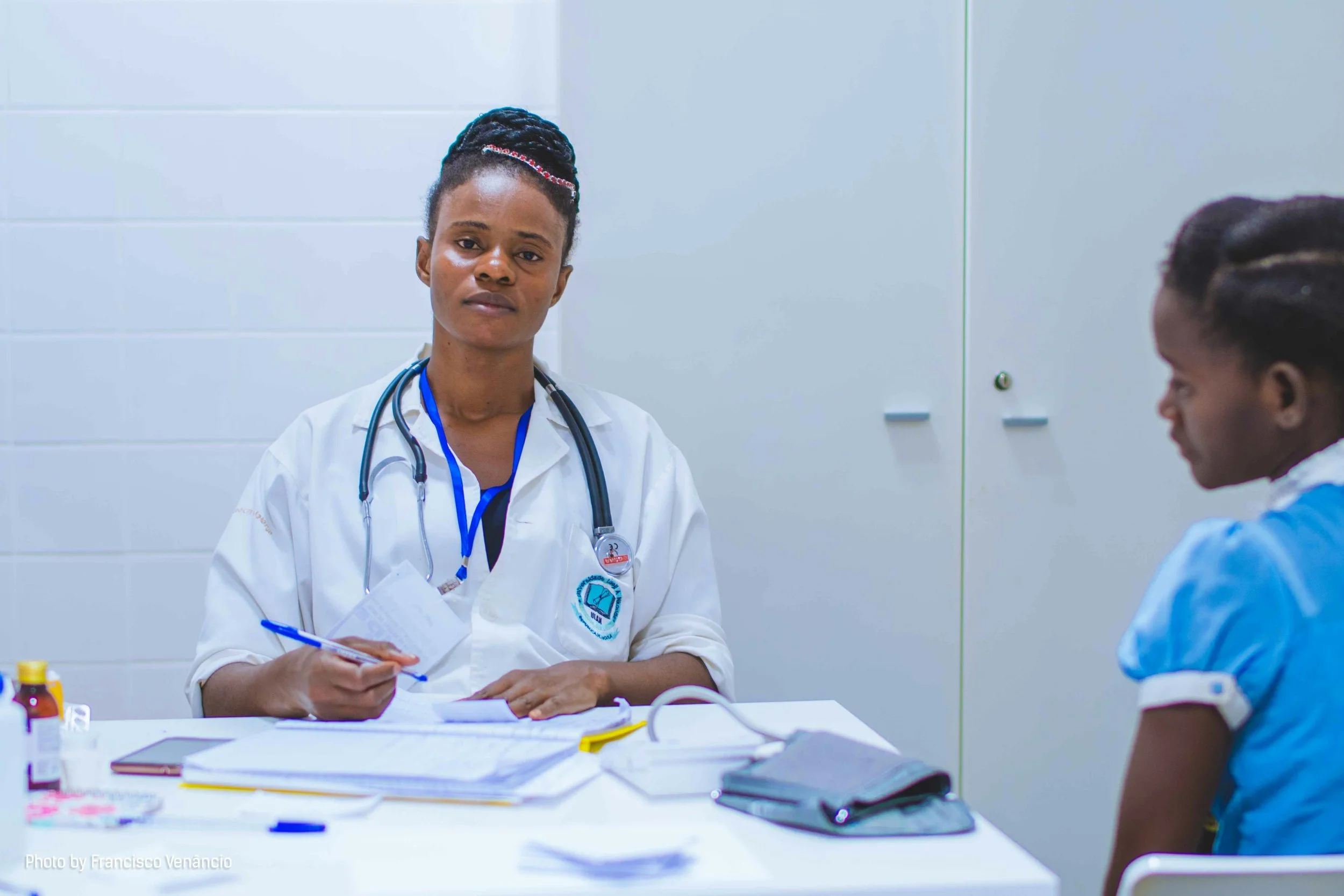
Are you bilingual and looking for a meaningful career in healthcare? Becoming a certified medical interpreter in Indiana may be the perfect path for you. With the state’s diverse population and growing healthcare system, trained medical interpreters are in high demand to help bridge communication gaps between patients and providers.
What Is a Medical Interpreter?
A medical interpreter facilitates communication between healthcare professionals and patients who have limited English proficiency (LEP). They ensure patients understand diagnoses, treatment options, and follow-up instructions while also relaying patient concerns back to doctors.
Unlike translators (who work with written text), medical interpreters work in real-time, spoken or signed communication. Training and certification are therefore critical for accuracy, ethics, and patient safety.
Why Get Certified?
In many healthcare facilities, certification is no longer optional. t is expected. Here’s why:
Legal Compliance: U.S. laws (like Title VI of the Civil Rights Act) require language access in healthcare.
Professional Credibility: Certification proves your skills and builds trust with employers and patients.
More Job Opportunities: Certified interpreters are prioritized in hospitals, clinics, and agencies.
Higher Pay: Certification often leads to better hourly rates or full-time employment.
National Certification Options
Two main organizations provide widely accepted certification:
1. CCHI (Certification Commission for Healthcare Interpreters)
Offers the CoreCHI (general) and CHI (language-specific) certifications.
Requires 40 hours of medical interpreter training, proficiency in English, and another language.
2. NBCMI (National Board of Certification for Medical Interpreters)
Offers the CMI (Certified Medical Interpreter) credential in languages like Spanish, Mandarin, Russian, etc.
Requires proof of language proficiency and 40-hour training.
Training Options in Indiana
To apply for certification, you must complete a minimum 40-hour medical interpreter training. Here are some options:
IUPUI (Indiana University–Purdue University Indianapolis)
Offers community interpreter training programs. Contact their School of Liberal Arts for updates.
Language Line Academy (Online)
Widely accepted 40-hour remote training program.
University of Indianapolis or Ivy Tech Community College
While not all offer dedicated interpreting programs, many provide language and healthcare-related courses helpful for preparation.
You can also consider:
The InterpreterEd.com 40-hour course
Cross-Cultural Communications
Step-by-Step Certification Process in Indiana
Assess Language Proficiency (English + Target Language)
Complete a 40-Hour Medical Interpreter Training
Select Your Certification Body (CCHI or NBCMI)
Submit Required Documentation (transcripts, ID, proof of training)
Schedule and Pass the Written Exam
Take the Oral Exam (if language-specific)
Receive Certification & Start Applying for Jobs
Certification Costs
Estimated Cost (USD)
40-Hour Training Program $350 – $700
Certification Application $35 – $50
Written Exam $175 – $200
Oral Exam (if applicable) $275 – $300
Renewal Fees (every 4 years) ~$150
Tip: Some employers may reimburse costs. Be sure to ask before enrolling!
Pursuing a career as a certified medical interpreter in Indiana is both rewarding and essential, especially as the need for language access in healthcare continues to grow. With national certification, proper training, and a strong understanding of medical terminology and ethics, you'll be well-equipped to make a difference in patients’ lives.
If you're already certified and seeking interpreting work, consider exploring opportunities with Midwest Language Services, LLC, a locally based company offering professional interpreting services across Indiana.
